
A team event is particularly valuable when it’s not just fun but has a lasting effect. Our stay in Oberstdorf was designed from the outset as a work-and-team format. There were clear goals in terms of content, set workshop times, and defined outcomes. The shared moments in the snow were essential — they completed the event into a cohesive whole.
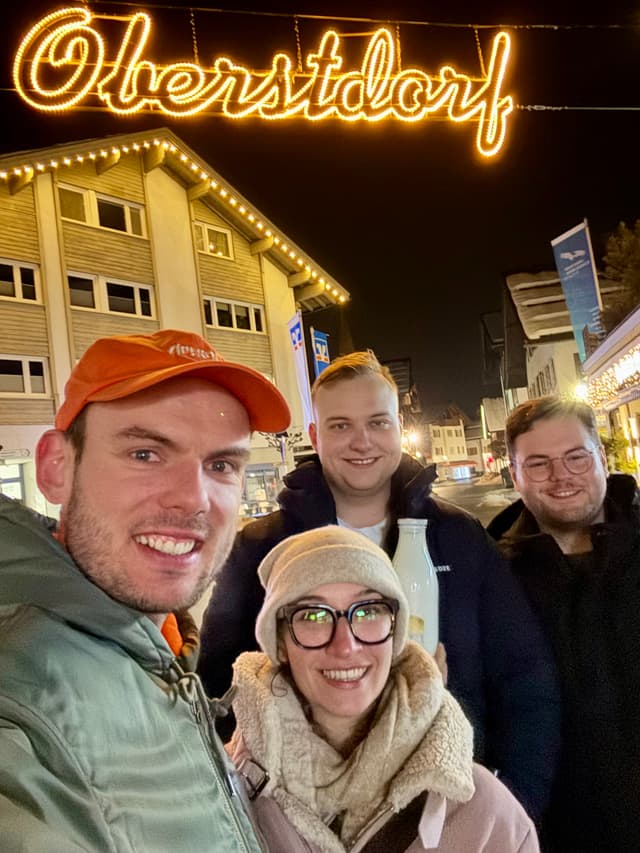
The change of location to the mountains served to sharpen focus: stepping away from day-to-day business was meant to create space for reflection, strategic conversations, and intensive collaboration — things that often get neglected in office life.
Time on the slopes provided a deliberate balance after intense work sessions. That exact combination strengthened the team building and noticeably improved the quality of our collaboration.
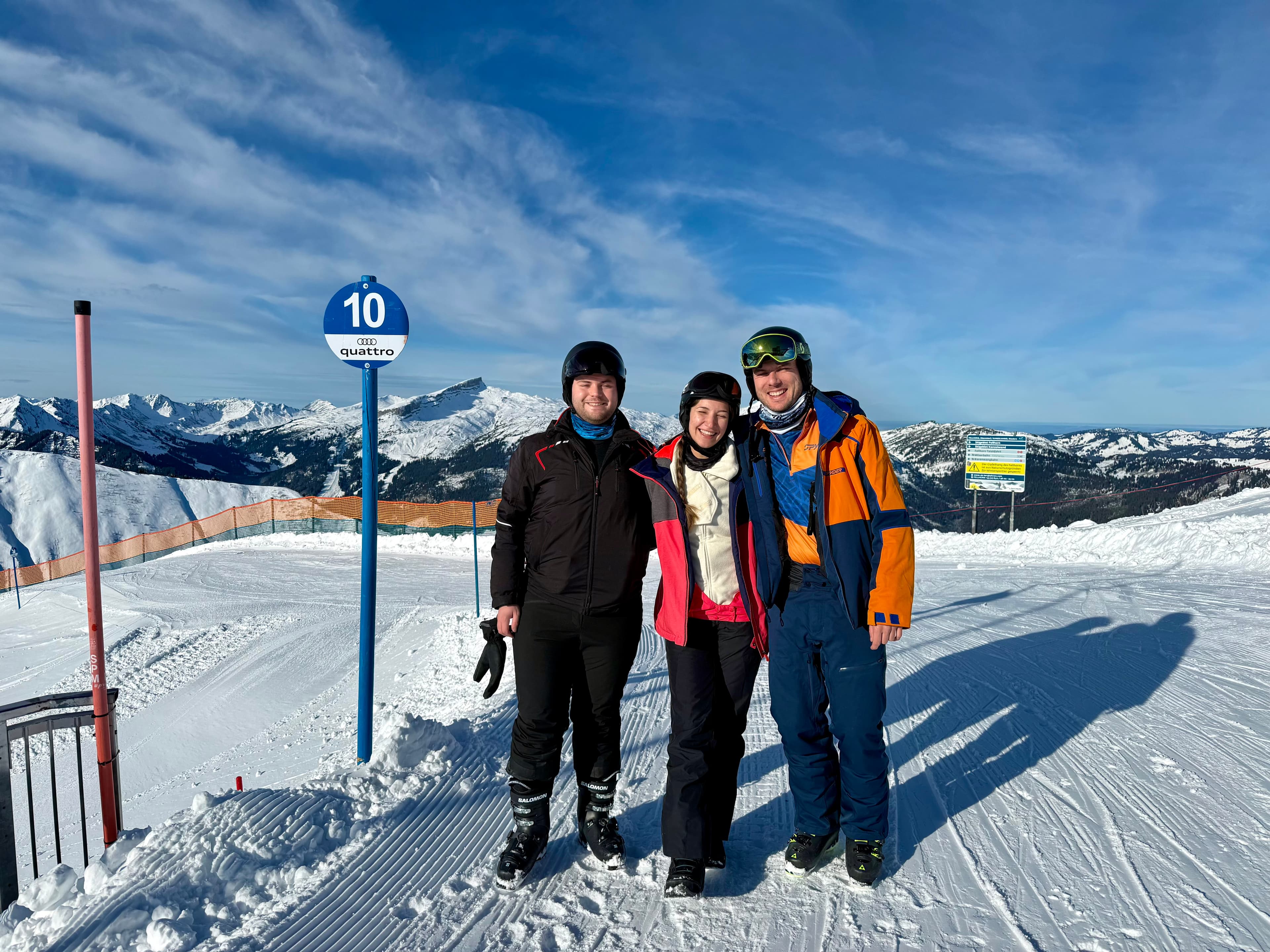
Team building in practice
A central part of the team event was the intentional shared experiences outside the workshop times. Those shared experiences brought our team to the next level.
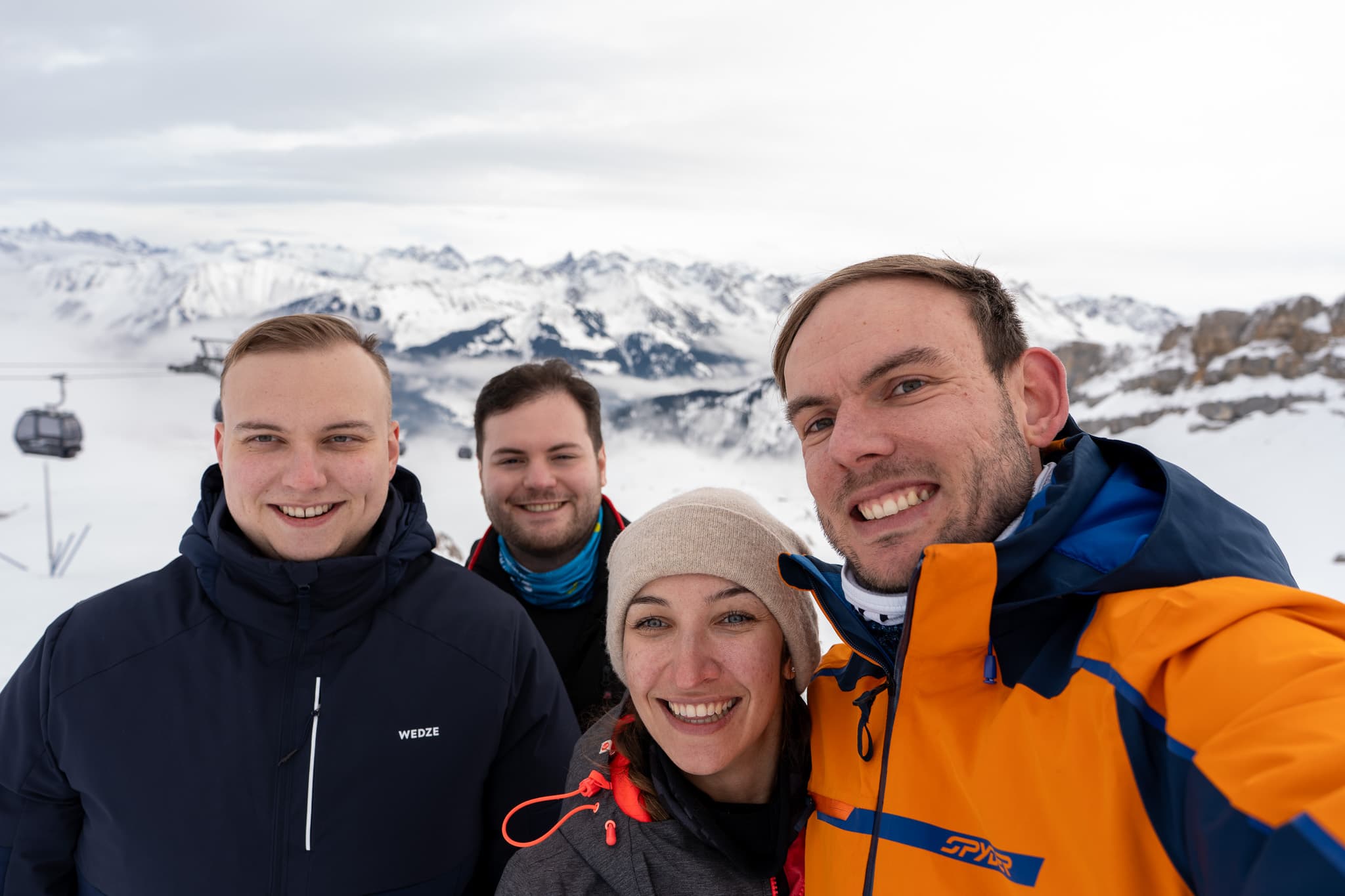
Skiing is individual, yet it requires mutual consideration, patience, and support. One moment in particular symbolizes these days — actually two.

Ben guided Selim while skiing, gave him confidence, encouraged him, and accompanied him step by step. This attitude showed itself again in another moment that was very personal to me.
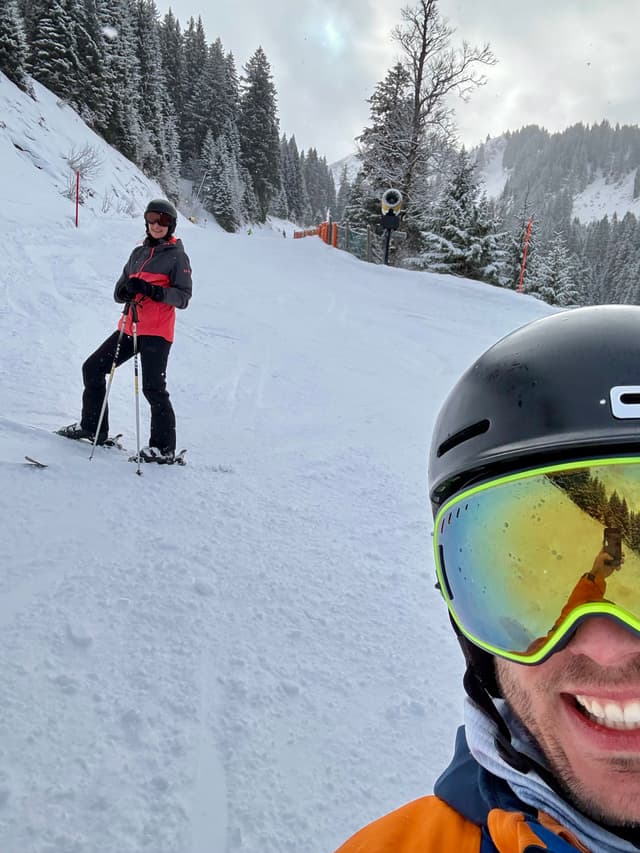
After a fall last year, snowboarding was no longer an option for me and I switched to skiing. There were uncertainties and a lot of frustration. Ben was there here too: calm, patient, encouraging. No pressure, no 'you have to', just support at the right moment.
These situations made clear once again what our team is made of. Support doesn't end with technical issues or projects. It shows itself exactly when things get uncomfortable, on the slopes as much as in everyday work.
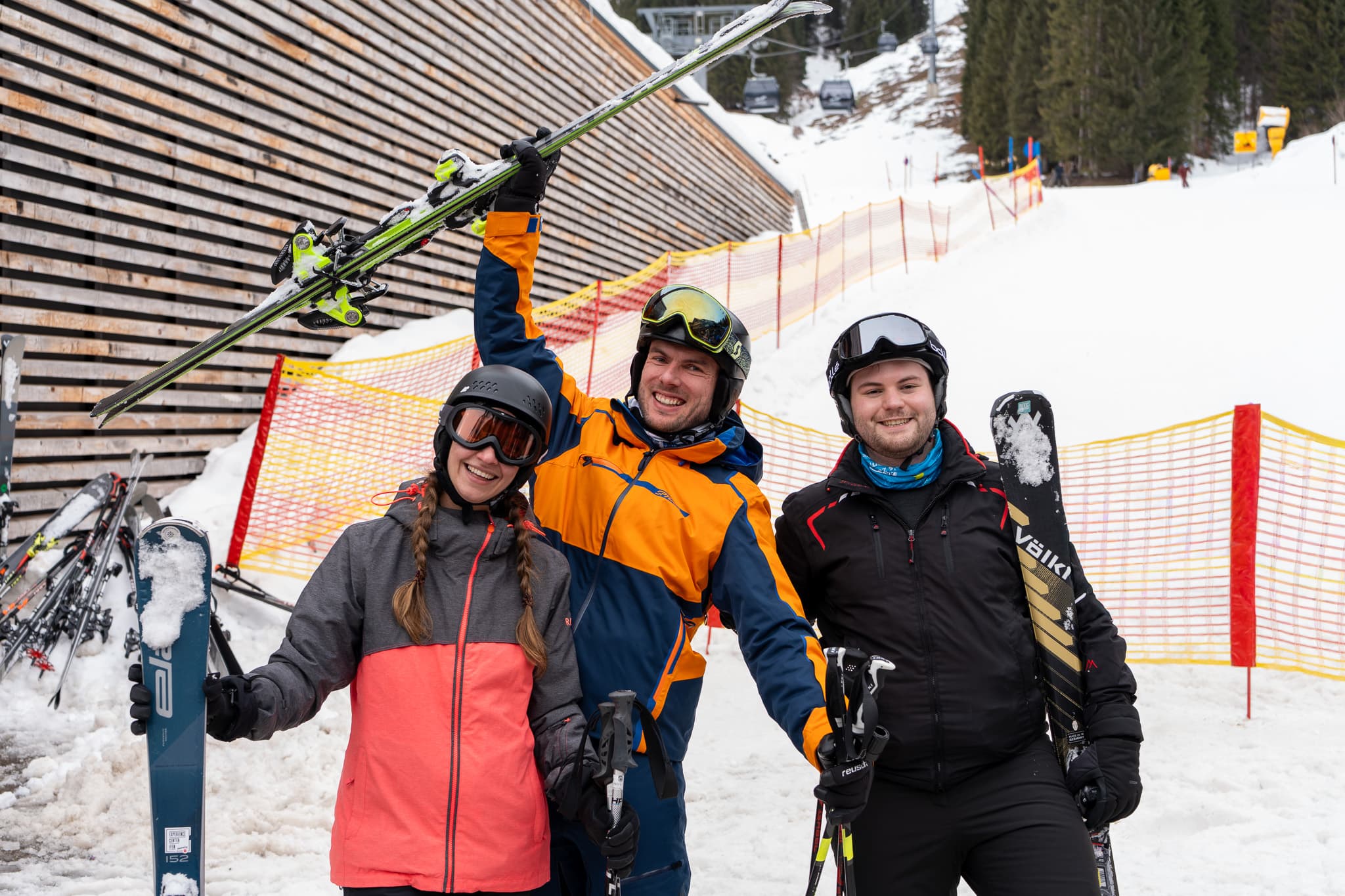
And even where not everyone was on skis, the team spirit was tangible: even though Gino ultimately didn't ski, he accompanied us, went up the mountain with us at midday, and consciously spent the time with us. That was anything but a given, and precisely because of that it was so valuable.

We intentionally planned the year on the last day
The schedule of the team event followed a clear structure. The first days were dedicated to joint work, reflection, and thematic workshops. Content had time to settle, perspectives were exchanged, and common foundations were created.
The annual planning deliberately took place on the last day. By that point, everyone was brought up to speed on the content, key topics had already been discussed, and the team was on a shared level.
This sequence was decisive: instead of isolated planning, a shared understanding of where we stand and where we want to go emerged. The planning was therefore not a formal appointment, but the logical conclusion of intensive content work.
Annual planning and goal work with OKRs
The focus of the last day was on structured annual planning. For our planning we used an OKR board (Objectives & Key Results). This turned the day into a hands-on workshop with clear outcomes. Goals were formulated together, prioritized, and translated into measurable results.
In short: What are OKRs?
OKRs are a goal-setting method that consists of two levels:
• Objectives: Qualitative, motivating goals that provide a clear direction.
• Key Results: Measurable outcomes that show whether the goal was achieved.
A good Objective inspires. Good Key Results make progress visible.
Our team's OKR approach
Together we:
• reflected on the past year
• defined overarching team goals
• set concrete, measurable Key Results for each goal
• defined clear responsibilities
The OKR board became a shared point of orientation that everyone on the team could access at any time. By the end, everyone knew:
• what we are focusing on
• what each person contributes
• how success will be measured
Why this combination worked so well
The combination of experience, reflection, and structure was key.
• The days we spent together built trust
• The OKR method brought clarity
• The environment enabled honest conversations
This wasn't a traditional plan, but a shared commitment.
Personal takeaway
For me personally, this event was one of the most valuable team moments in recent times, and it started earlier than I expected.
The journey to Oberstdorf was anything but ideal. Deutsche Bahn was once again surprised by winter: our train was canceled, we missed our connection, and in the end we had to change trains four times.
And yet something decisive happened right there: no one complained, everyone pitched in, looked for alternatives, checked tickets, and kept spirits up. Sometime after 10 PM we finally sat together over a pizza and celebrated our arrival.
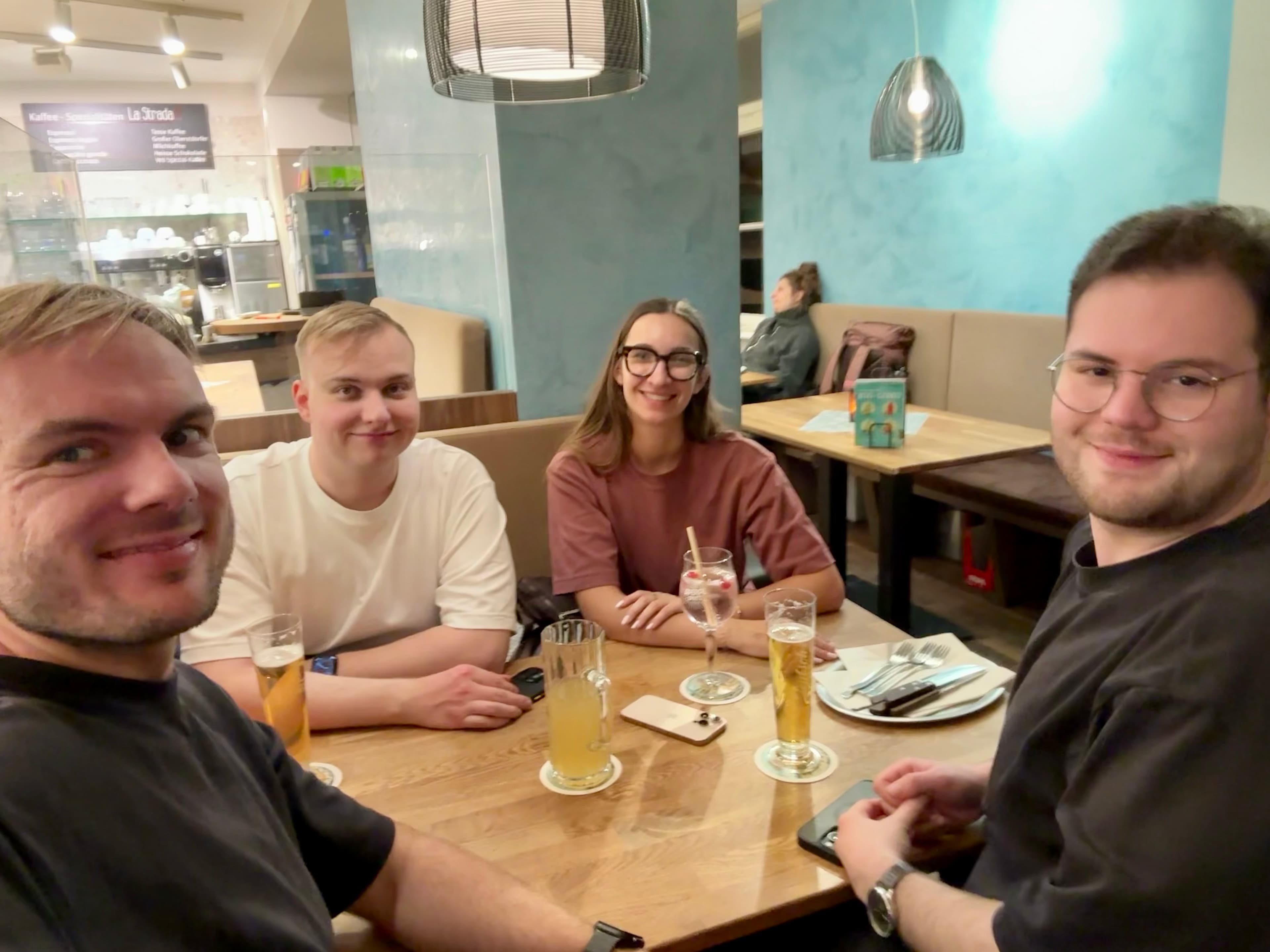
This bumpy start showed me: we don't just function well at work, but also in real life — in situations you can't plan for. That's exactly what makes a strong team for me.
I returned with the feeling of being part of a team that not only works together but truly sticks together. This foundation makes it possible to set ambitious goals and actually achieve them.

Growing together: In the snow and in everyday life
Our visit to Oberstdorf wasn't a typical team event. It was a space for growth.
We came back as a team that:
• works more closely together
• pursues clearer goals
• takes on responsibility more consciously
And perhaps most importantly: we experienced that togetherness isn't only built in the office, but everywhere people are willing to be there for one another.
We carry this feeling with us — into everyday life, into our work, and into everything that's still ahead of us as a team.
We're growing — maybe with you?
We're looking for support and have several positions to fill.
#OKR Annual Planning#Outdoor Team Event#Team Building in Oberstdorf#Strengthen teamwork#Define team goals#Team cohesion