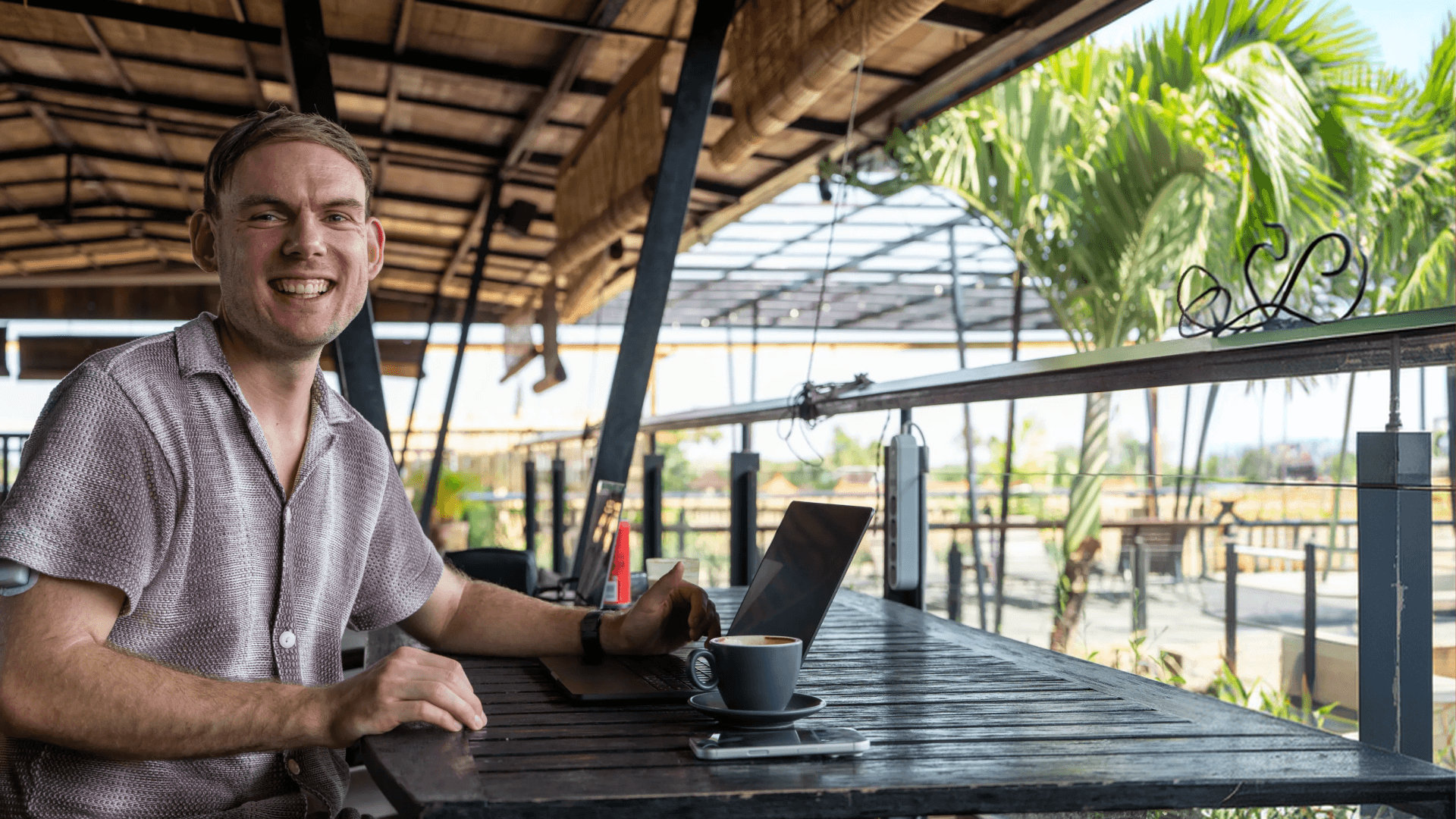
When most people think of Bali, they picture palm trees, beaches, and laptops in bustling cafés. The island is widely considered one of the world’s top hotspots for digital nomads, with thousands of entrepreneurs, freelancers, and remote workers operating from anywhere.
And this is precisely where businesses can learn a lot from the digital nomad community. As founders, we spent time on-site, spoke with digital nomads, analyzed the system behind the hype, and observed how seamless, flexible, and location-independent work operates in practice. Through this experience, we identified five essential takeaways that German companies urgently need to implement to stay competitive as employers of choice.
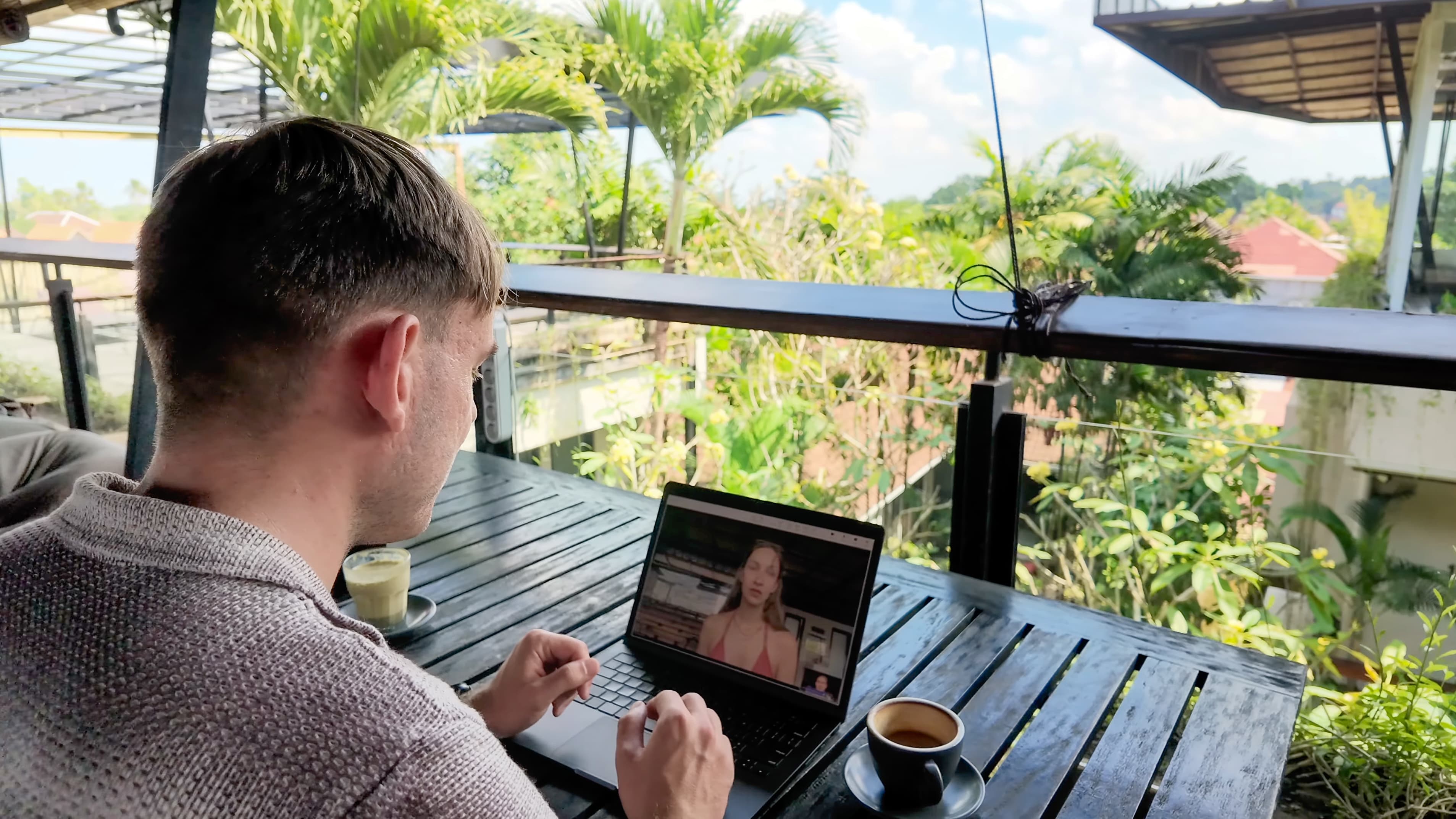
5 Things German Companies Can Learn from Digital Nomads
1. Results-Oriented Work Instead of Mandatory Presence
In Bali, no one cares whether you go surfing at 10 a.m. or don’t open your laptop until 10 p.m. The key concept here is trust-based work.
German companies need to move away from mandatory attendance and learn to manage based on outcomes rather than time. The only thing that matters is: Were the results delivered and deadlines met? Trust is the fundamental prerequisite for modern work.
2. Asynchronous Communication as the Standard
When teams are scattered across the globe, constant meetings simply don’t always work. Information must be shared in a structured way using digital tools. When companies learn to document processes in writing and asynchronously, they save meeting time and create uninterrupted focus time.
Digital nomads work with digital systems that are available at all times.
These include, for example:
Cloud storage & project management tools
Digital documentation & automated workflows
Video conferencing & digital approval processes
This allows everyone involved to access the same information — regardless of time and location.
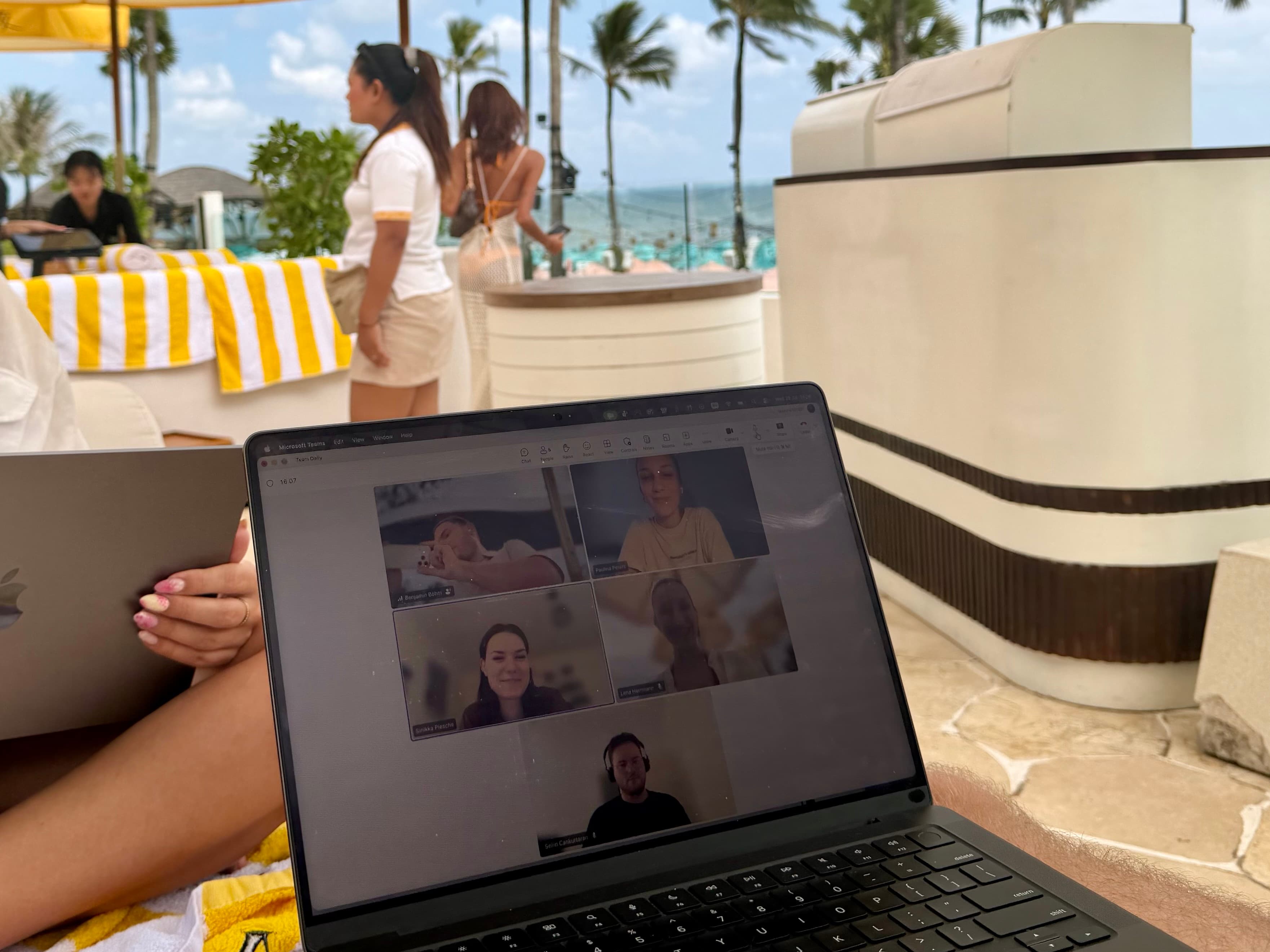
3. Flexibility as a True Driver of Performance
The work environment in Bali has shown us that maximum flexibility does not lead to laziness. Quite the contrary: when employees can plan their work around their lives, productivity increases dramatically. German companies must move away from the traditional 9-to-5 mindset and give their employees the freedom to work independently.
Digital nomads work across different time zones without anyone constantly walking past their desks. Yet many of them get more done than the average nine-to-five office worker. The reason: They set aside fixed blocks of time for focused work to achieve a healthy work-life integration.
German companies, on the other hand, often pack their calendars with meetings from 9 a.m. to 5 p.m. and then wonder why nothing gets done by the end of the day. Set periods of uninterrupted focus aren’t just a nice-to-have. They’re essential for getting work done at all, whether in the office or on the go.
4. Community & Networks in Everyday Work Life
In coworking spaces in Bali, videographers, software developers, and entrepreneurs work side by side. Interaction happens spontaneously, constantly giving rise to new ideas, collaborations, and synergies. What many companies laboriously work to achieve through workshops and training, an international perspective, new ways of thinking, simply happens here over lunch. Offices in Germany need to become meeting places that foster networking, creative exchange, and chance encounters.
Anyone who works in an international environment for a certain period of time becomes familiar with new ways of thinking, work methods, and cultures. Such experiences can provide fresh impetus for creativity, problem-solving, and innovation. And companies benefit when employees bring fresh ideas and new perspectives to their daily work.
5. Technological Simplicity & Going Paperless
Remote work doesn’t start on the beach. Many companies associate remote work with working from home or a “workation.” But anyone who wants to work flexibly today needs, above all:
digital processes
clear responsibilities
transparent communication
centrally available information
Only when these fundamentals are in place does the location of work become virtually irrelevant. Bureaucracy and paperwork stifle innovation. German companies must radically simplify and digitize their internal processes so that work can be done seamlessly from anywhere.
Why Flexible Work Models Pay Off for Companies, Too
Location-independent work has long been more than just a trend. When implemented correctly, it can create real added value for both employees and companies. More and more companies are recognizing that flexible work models can help employees better balance their professional and personal lives. Those who can work remotely from time to time often gain more freedom to shape their daily lives—whether for family, travel, or personal relaxation.
A Stronger Employer Brand
Companies that offer flexible work models position themselves as modern employers. Especially for younger generations and skilled workers, factors such as flexibility, trust, and work-life balance are often key criteria when choosing an employer.
Greater Loyalty Through Trust
Flexibility is always a sign of trust. When companies delegate responsibility to their employees, it often fosters a stronger sense of belonging. Employees feel valued and are more likely to take ownership of their tasks.
Trust does not replace clear structures; it complements them. After all, working independently can only function in the long term with transparent processes.
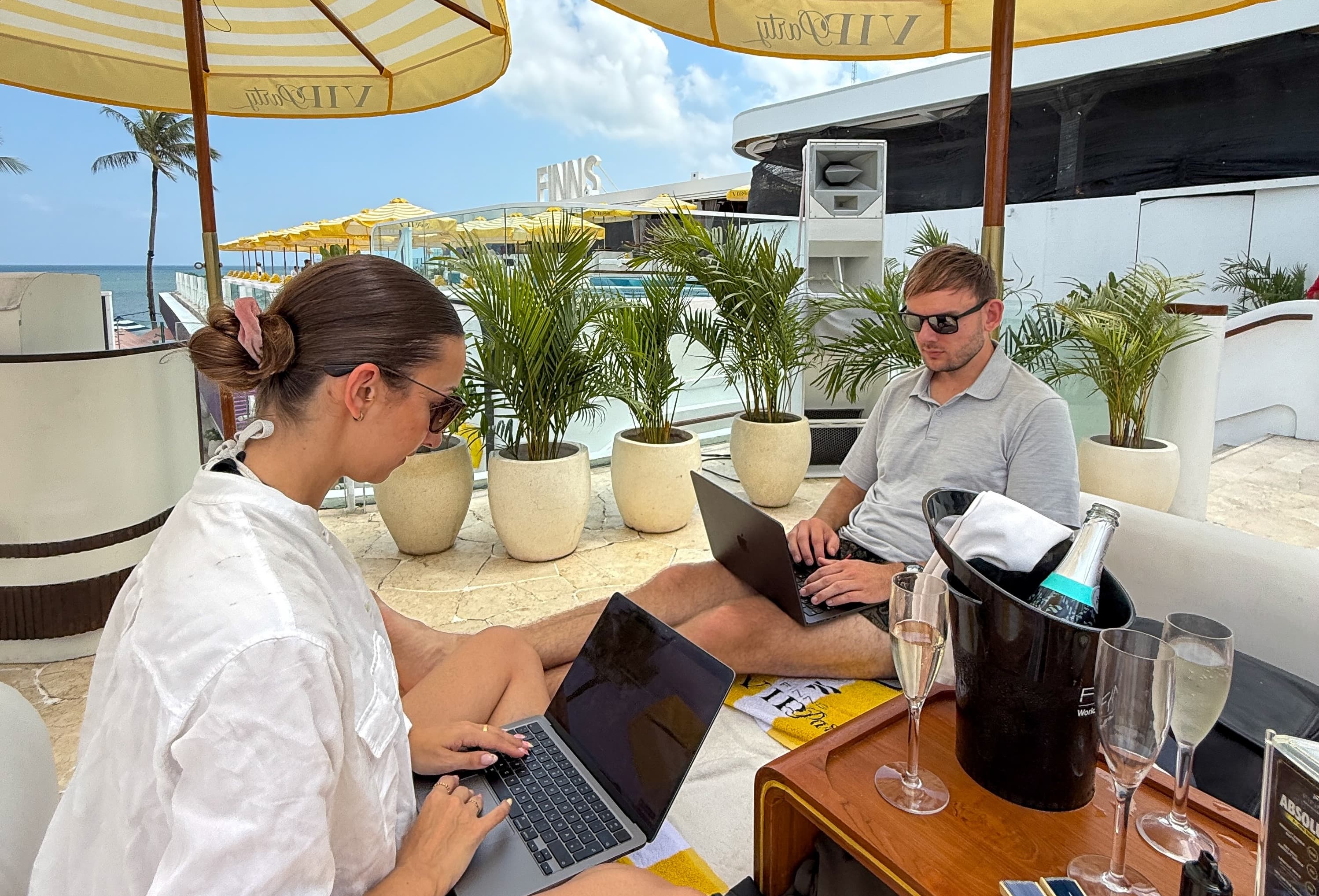
The Biggest Obstacles in Companies
Many companies want to become more flexible, but quickly run into challenges in the process.
Typical problems include:
Knowledge is locked in the minds of individual employees
If one person is absent, important information is missing.
Processes are not documented
Many workflows function only because individual employees know how they work.
Files are scattered across different locations
Information is stored on local drives, in emails, or across various folder structures.
Communication is disorganized
Important decisions get lost in chats or emails. These problems not only make remote work difficult but also cost time and money every day.
A Good Work Culture Requires Good Processes
A modern work culture isn’t created by fruit baskets or “workations.” It emerges when employees can work independently.
To achieve this, you need:
clear workflows
transparent responsibilities
digital tools
transparent processes
Creating these conditions not only enables remote work but often improves collaboration in the office as well.
Our Conclusion
Your employees don’t have to move to Bali. But your company should be structured in such a way that it would be easily possible. This is exactly where we support companies—with digital processes, clear systems, and a way of working that functions regardless of time and place.
But the real reason for their success has little to do with location. After all, location-independent work only works if the company’s processes are digital, clearly structured, and accessible to everyone.
Ready for a modern work culture?
Whether it's working from home, a workation, or a month in Bali—flexible work models only work if your processes support them.
#digitale nomaden#digitale prozesse#ortsunabhängig arbeiten#remote work#future of work